
of your clothing
Extend the life
Outerwear should be stored on hangers in covers made of breathable fabrics. On the contrary, it is not recommended to hang sweaters and dresses on hangers: they should be carefully folded on a shelf with the tissue paper laid between them.
- Machine-wash using delicate cycle or hand wash;
- 30-40 °С, air dry;
- Ironing temperature 100–120 °С;
- Turn inside out before ironing;
- Fold for storage.
Cashmere
- Hand wash only, up to 30 °C (or dry clean);
- Turn inside out before washing;
- Contraindicated in ironing;
- Flat dry;
- Use of a steamer is allowed.
Cotton is simple to store and care for. Garments can be stored both on a hanger, and being folded in a cool, well-ventilated area. Avoid humidity and foreign odors.
Cotton
- Machine wash;
- Colored — up to 40 °С;
- Whites — up to 90 °С;
- Ironing temperature 170–180°С;
- Iron while slightly damp.
Linen garments should be stored flat, rolled in tissue paper. Make sure there is no direct sunlight in the room, or it will cause fabric to fade.
Linen
- Machine wash;
- 30-40 °С on low;
- Ironing temperature 180–200 °С;
- Turn inside out before ironing.
It is recommended to store silk garments on fabric-wrapped hangers, as well as in covers made of breathable materials. Do not store silk in plastic boxes, and keep it away from ultraviolet rays as well.
Silk
- Hand wash (or dry clean) is recommended;
- Up to 30 °С, air dry;
- Ironing temperature 60–80 °С;
- Iron using a pressing cloth (but not gauze).
Garments made of synthetic fabrics are simple to care for. However, if the composition contains impurities of other fibres, it is important to choose storage and care conditions, taking into account their characteristics.
Polyester, nylon, lycra
- Machine wash using delicate cycle;
- 40-50 °С, air dry;
- Ironing temperature 60–80 °С.
Acetate clothing should be stored on hangers, as they are prone to creasing. Avoid direct sunlight to keep colors from fading.
- Machine wash, 30-40 °C, air dry;
- Ironing temperature 120 °С;
- Turn inside out before ironing;
- Iron while slightly damp.
Leather clothing should be stored on a hanger in a dark, well-ventilated area. The best temperature for leather storage is 20°C, the maximum humidity should not exceed 60%. Avoid ultraviolet rays.
Leather
- Remove minor dirt with a damp cloth and soap solution;
- To retain your leather shiny, use a special cream;
- To store leather handbags, use soft “bag shapers”.
Denim garments (including jeans) should be stored on racks and hangers with a crossbar. Manufacturers insist that the less you wash your jeans, the longer they retain their original look.
Denim
- Machine wash, wash separately;
- 40-60 °С, spin cycle is allowed;
- Turn inside out before washing;
- Ironing temperature 150–200 °С;
- Turn inside out before ironing.
To prevent creases, it is desirable to store velvet clothing on a hanger in a cover, so that they do not touch other garments. If you notice a small bald patch on the fabric, you can carefully "comb" it with a plastic card.
Velvet
- Dry clean only;
- Avoid moisture;
- Contraindicated in ironing;
- Steamer can be used.
Canvas clothing should be stored in covers, avoiding contact with hard surfaces to preserve the design. Try to avoid contact with any coloring materials, especially in regard to light canvas.
Canvas
- Use a damp cloth to remove any dirt;
- Do not use chemical cleaners;
- Do not wear in cold and extreme heat weather, as the canvas may crack;
Acetate,
rayon, viscose
rayon, viscose
- Remember that canvas is prone to fade with consistent sun exposure;
- Creases may form due to sudden temperature changes;
- Make sure a handbag is always stuffed with things to help it keep the shape.
Fabric care
guide
Store your garments only on horizontal surfaces. Place in a vacuum bag and refrigerate for several hours before storing in a closet. Then re-shape and leave at room temperature.
Wool
Proper
storage
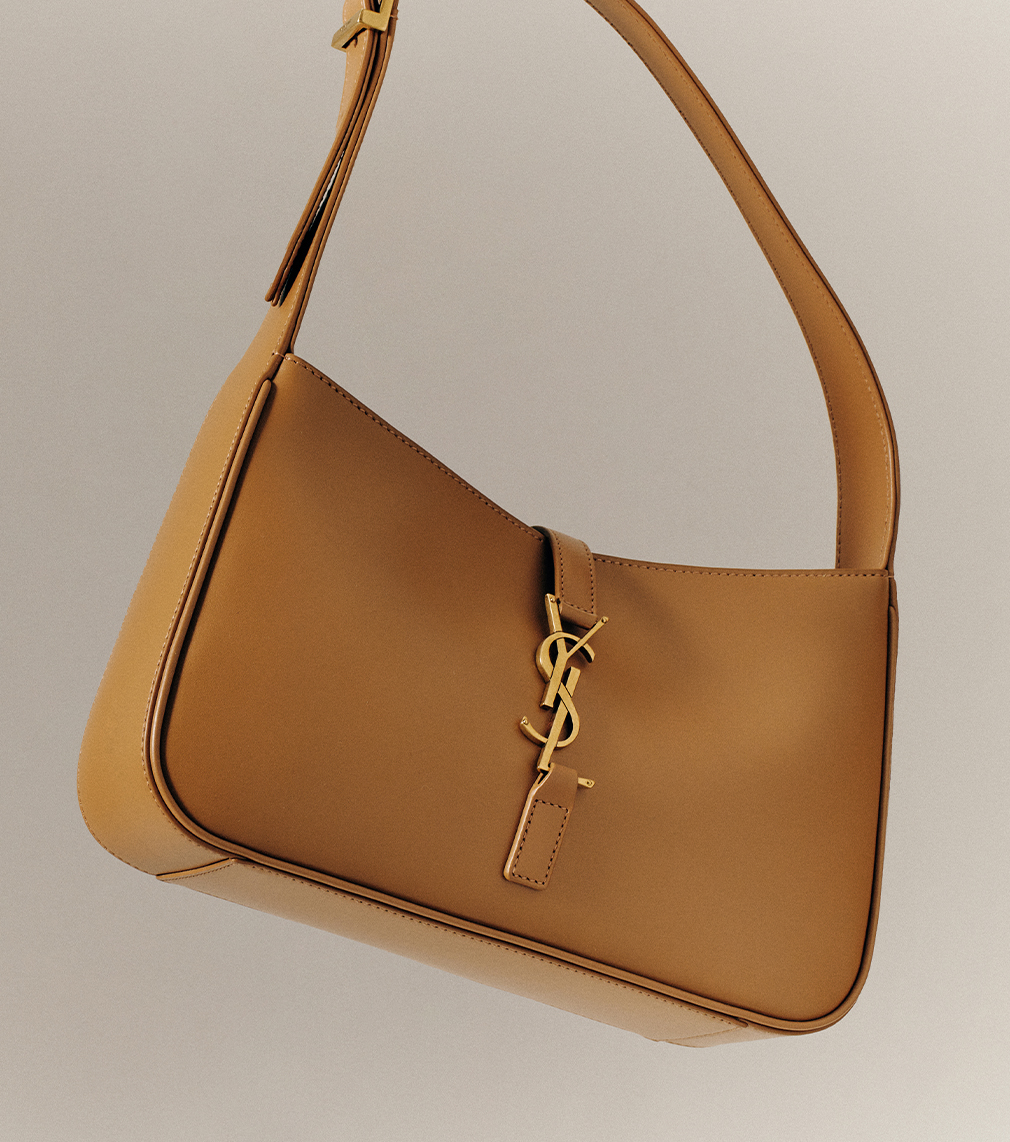
Store in original dust bags to protect from fading, dust and other contaminants.
Bags
It is worth laying tissue paper inside to help the item keep its shape.
If there is no “bag shaper”, put inside a cotton bag stuffed with clothes or rags.
It is important to fill the handbag corners to prevent a crease at the bottom. This problem is typical for large handbags, such as Birkin.
Do not stack accessories upon each other to avoid wrinkling.
Do not fold long straps. It is better to wrap bags’ handles and chains in tissue paper.
From time to time it is necessary to give the handbag a “break” from active use.
It is better to store light handbags in dust bags with light inner side. Otherwise, the item may become stained.
Keep accessories out of the sun: at high temperatures, the stitch sealing may melt, especially on colored Louis Vuitton models.
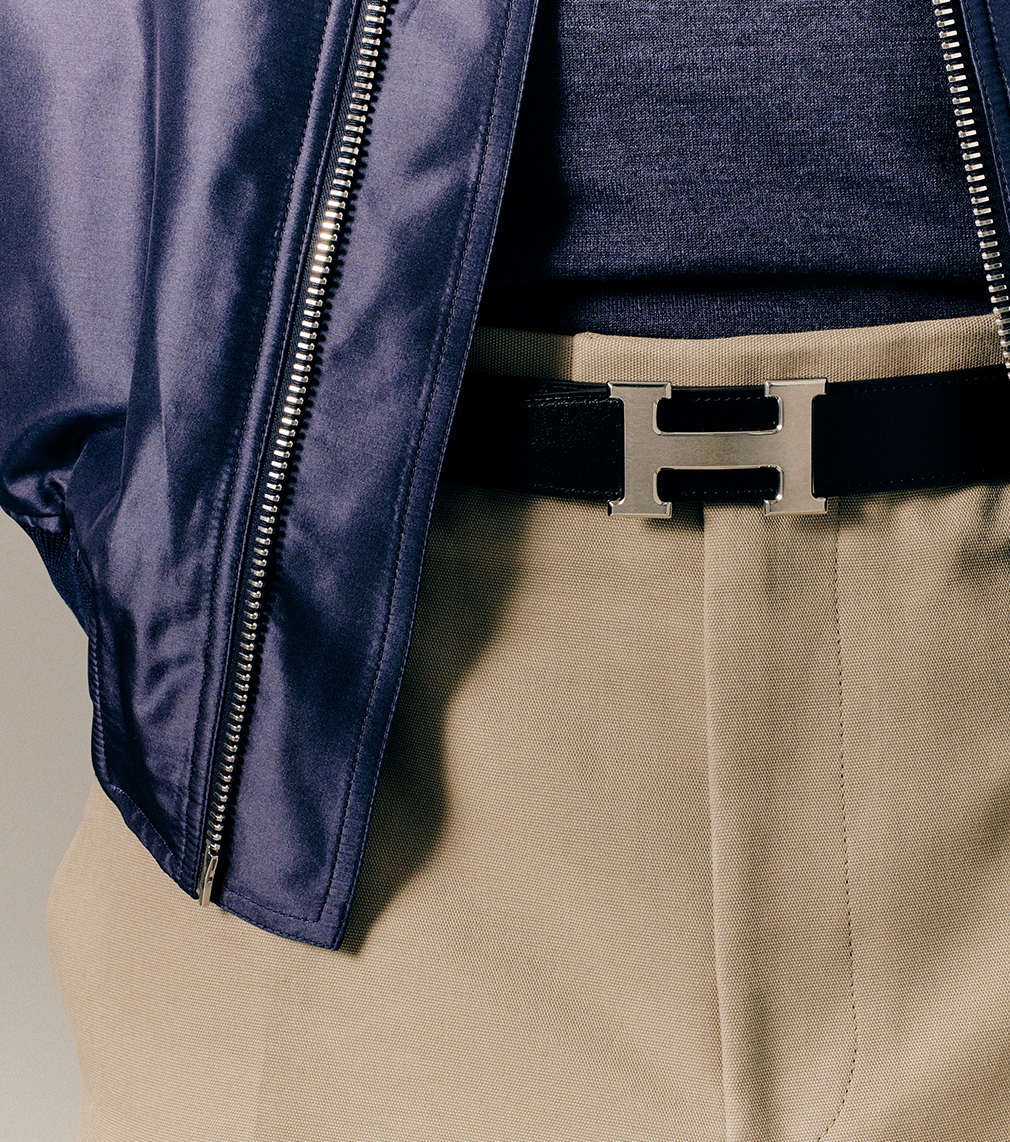
It is better to store belts on a hanger or special holders in an upright position.
Belts
Or use special organizers. The main thing is to prevent buckles touching.
Belts made of natural materials should not be stored in plastic containers.
Keep jewelry away from direct sunlight, humidity and high temperatures.
Jewelry
Avoid contact with cosmetics and household chemicals.
Each jewelry should have its own box, pouch or storage section.
The ideal option is a wooden jewel-case, organizer or drawer with dividers.
Never polish the jewelry yourself, as this may cause deep scratches.
With regard to the jewelry with stones, do not apply home cleaning methods (vinegar, soda, boiling).
Do not use chemicals: otherwise, stones and metal may tarnish.
It is better to entrust polishing and cleaning to specialists in order to prevent deformation of jewelry elements.
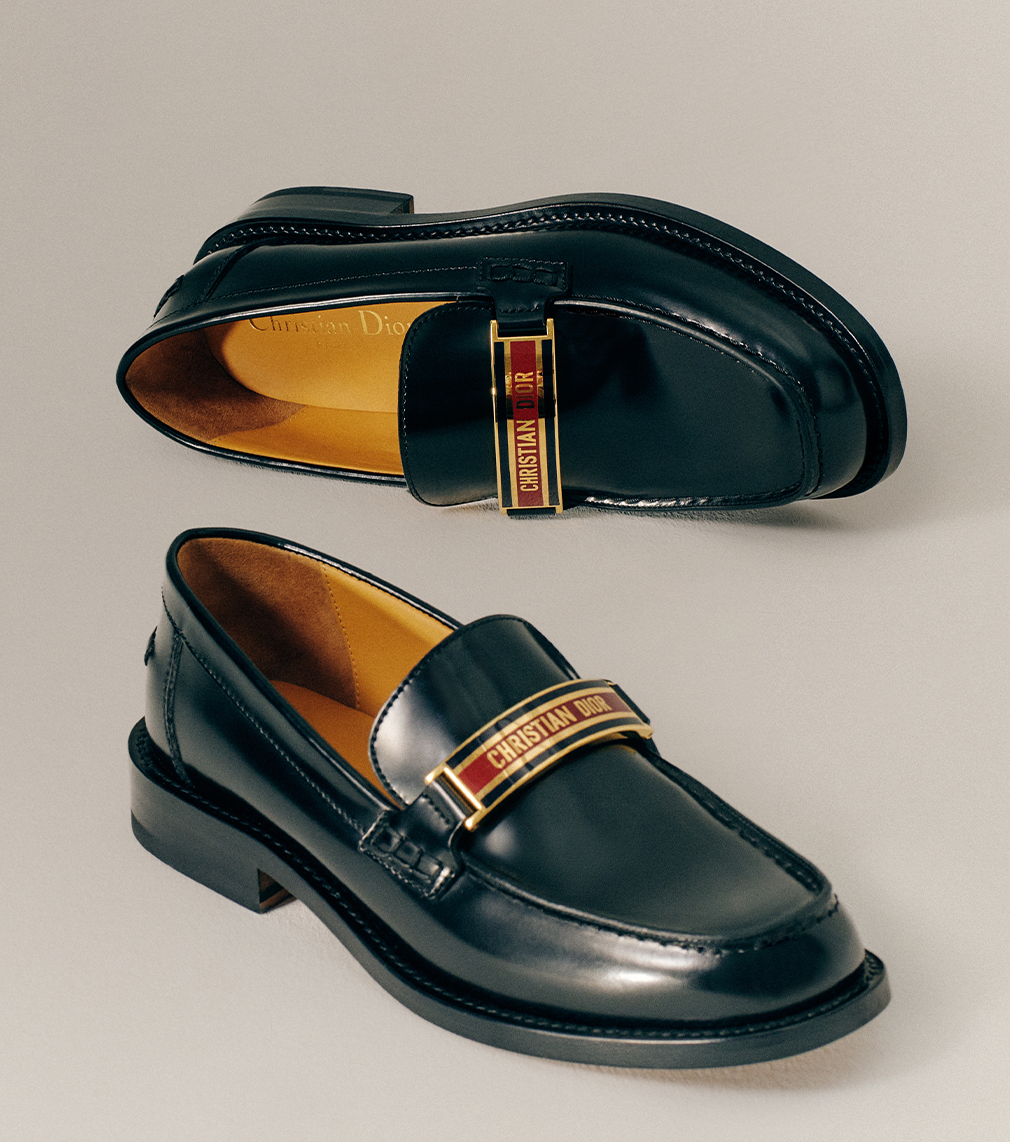
Wipe your shoes with a damp cloth and leave to air dry before storing them away.
Shoes
Use a natural bristle brush or microfiber cloth for cleaning.
Before storing, thoroughly wipe the insole to remove dirt and bacteria.
Do not put your shoes on a radiator or window sill — dry at room temperature.
Use wooden shoe trees without a spring to prevent your shoes from losing shape.
Patent leather and satin shoes must be stored in separate dust bags for each shoe.
For boots and knee-high boots, use tall boot shapers to keep the leather from creasing.
Ideally, shoes should have “a rest”: it is better to wear each pair not more than once in two days.
Fix a sole tap or stick-on sole (especially with regard to leather and suede soles).
Change heel tips in time: otherwise, the shoe last may become deformed.

Instead of washing, one can use "steam bath": hang clothes in the bathroom and turn on hot water to refresh them and get rid of minor dirt.
01
Steamers are suitable for the same purposes — the less washes, the longer a garment will be in use.
02
The most frequently, a simple airing is enough to refresh a garment. For example, on the balcony.
03
More care
tips
Natural fabrics should not be stored in polyethylene covers — only made of "breathable" materials.
04
Store handbags only in original dust bags of the appropriate color to prevent material staining.
05
Read carefully the label information to find out the details of the garment handling.
06
Turn inside out before washing to preserve the color.
07
After washing, do not wring your clothing by hand: as it can cause the fabric damage (especially with regard to silk).
08
To dry a garment, place it on a towel, roll the towel with a garment inside, and carefully squeeze out any excess water. Repeat several times until completely dry.
09
Download our App


© OSKELLY INTERNATIONAL, LTD